Выпуск
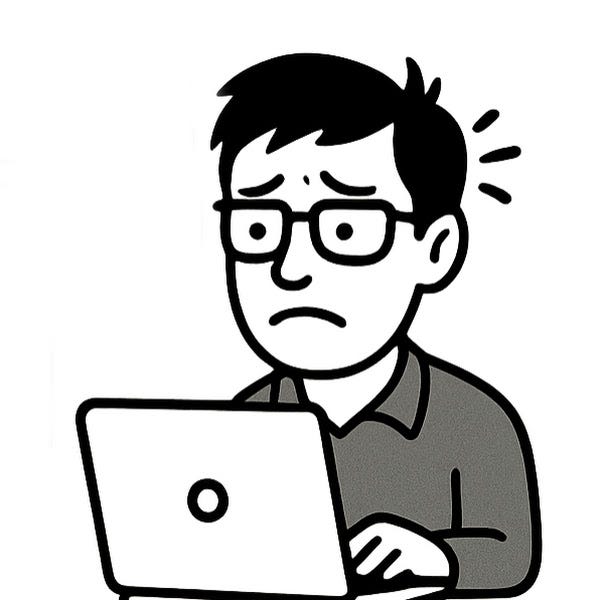
Something Is Seriously Wrong With People?
AsianDadEnergy's Podcast · 22 июня 2026 г. · 12 мин
A few days ago, my wife received a credit card in the mail from a company we had never used. Apparently, someone had opened an account in her name. Naturally, I assumed identity theft and immediately called the credit card company to shut the account down and find out what information had been used to create it. After spending twenty minutes navigating an infuriating AI phone system, I finally reached a human being. Or at least, I think I did. The conversation felt strange. Every question I asked seemed to trigger a predetermined response. Every attempt to move the conversation in a logical direction was met with another scripted answer. It was as if the representative was following a flowchart that he could not deviate from under any circumstances. At one point I caught myself wondering whether I was talking to another AI. I wasn’t. It was clearly a real person. Yet somehow the interaction felt less human than many conversations I have had with chatbots. That experience stuck with me because it wasn’t an isolated incident. Lately, I have noticed a growing number of interactions that feel strangely mechanical. Not just in customer service. Not just online. Everywhere. People seem more scripted. More performative. More constrained. Almost as if they are operating from a limited set of dialogue options. Like NPCs in a video game. Now before anyone gets offended, I am not saying everyone behaves this way. I meet plenty of thoughtful, authentic people. But I encounter this phenomenon often enough that I can no longer ignore it. And it leaves me wondering: What exactly happened? The Corporate Mask That Never Comes Off I first noticed this trend while working in tech. Anyone who has spent time in a large corporation understands that some degree of performance is expected. We all wear masks at work. That part is normal. What felt different was seeing people become completely consumed by the performance. Simple ideas would be transformed into elaborate slide decks. Meetings would be scheduled to discuss future meetings. Entire conversations would revolve around appearing aligned rather than accomplishing anything meaningful. Everyone knew the ritual. Everyone participated. Nobody seemed willing to acknowledge the absurdity of it. What unsettled me was that for some people, the corporate persona appeared to become permanent. The mask never came off. The language, the mannerisms, the carefully calibrated responses followed them everywhere. Even outside of work. Conversations Feel Different Since being laid off, I have more opportunities to talk with people in everyday settings. Coffee shops. Parks. Neighborhood events. Random encounters. And what I have discovered is that many conversations feel surprisingly shallow. There is often a narrow range of approved topics. Food. Entertainment. Sports. Local events. Anything deeper can create immediate discomfort. Discussions about purpose, meaning, technology, society, mortality, economics, or the future often cause people to retreat. Not because they disagree. Because they seem exhausted. As if they simply do not have the mental bandwidth for the conversation. Perhaps that is the real issue. Not that people have become less intelligent. Not that people have become less caring. But that people have become overwhelmed. Theory One: We Are Overstimulated Think about how radically the environment has changed over the past twenty years. Most people now spend the majority of their waking lives connected to digital platforms. Their attention is continuously pulled in dozens of directions. Every notification competes for cognitive resource