Выпуск
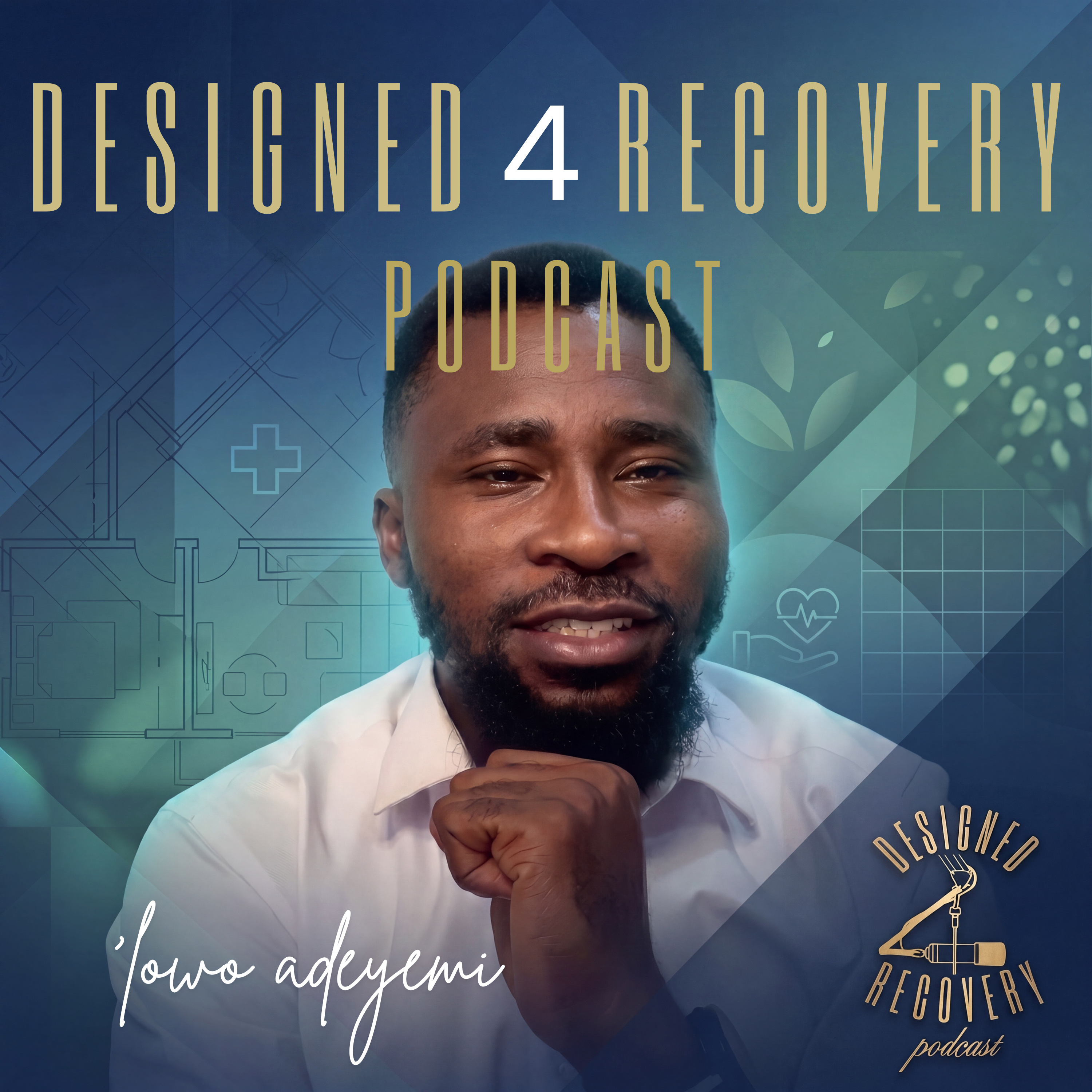
D4R Episode27: Decolonizing Healthcare Architecture: Whose Space is It Anyway?
Designed 4 Recovery | Healthcare Design Innovation and Efficiency · 28 октября 2025 г. · 11 мин
Hey! I'd love to hear your thoughts, send me a voice note. In this episode, ‘Lowo Adeyemi explores one of the most urgent frontiers in healthcare design — decolonization. Modern healthcare spaces were born from systems of authority, often imposed without the voices or values of the communities they serve. But what would healing look like if the spaces of care were shaped by the people themselves? Through historical reflection, global case studies, and design ethics, this episode reframes healthcare architecture as a site of power, culture, and possibility. It challenges designers, planners, and policymakers to move from a model of service to one of solidarity — creating spaces that not only heal but also liberate. Key Themes The colonial roots of institutional healthcare architecture How design perpetuates — or dismantles — inequity The role of cultural aesthetics in defining what “healing” looks like Community-led and participatory models of design The ethics of collaboration: designing with, not for Spatial justice and the democratization of healthcare space Case Studies Highlighted Butaro District Hospital, Rwanda – MASS Design Group’s community-built model of dignity and local agency Barefoot College Health Clinics, India – Women-led, self-sustaining rural health design Indigenous Health Centers (Canada, Australia) – Integrating traditional cosmologies and circular space planning for cultural resonance Key Takeaways Healing is cultural, not just clinical. Architecture should reflect the rhythms, rituals, and relationships of the communities it serves. Design is political. Every plan, corridor, and waiting room encodes assumptions about who belongs — and who doesn’t. Community authorship is the new expertise. Co-designing with patients, caregivers, and local builders is essential to true inclusion. Decolonizing design means restoring dignity. The goal is not to reject modern healthcare models, but to infuse them with local identity, wisdom, and equity. Memorable Quote from the Episode “To decolonize healthcare architecture is to reclaim the right to design our own recovery — to ensure that every wall and corridor tells a story of inclusion.” — ‘Lowo Adeyemi Who Should Listen Healthcare architects & planners Public health policymakers Hospital administrators & NGOs Academics in architecture, anthropology, and global health Anyone interested in design justice and community empowerment