Выпуск
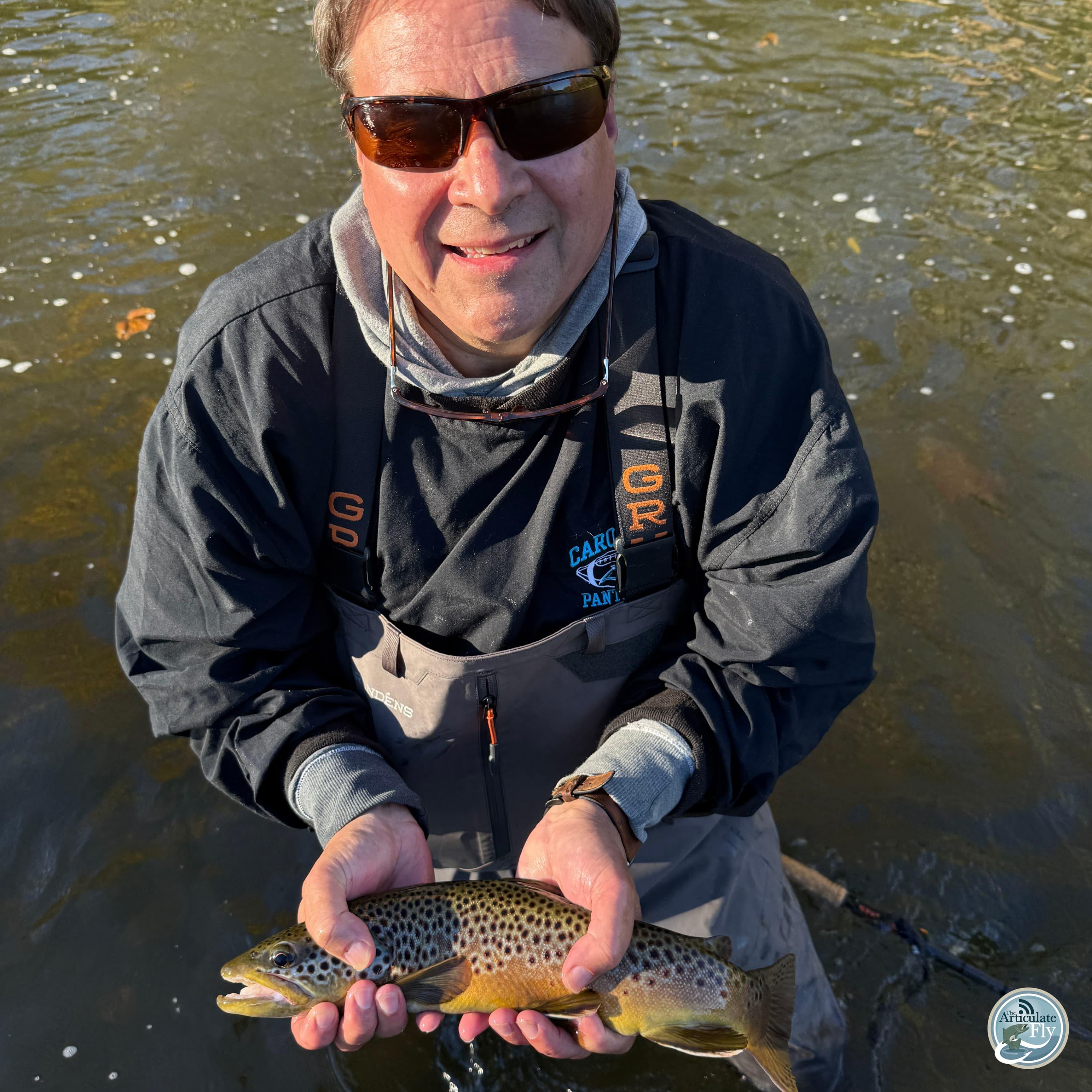
Fall Fishing Forecast: George Costa on Conditions, Caddis and Catching Fish
The Articulate Fly · 23 октября 2026 г. · 5 мин
Episode Overview On this Central PA Fishing Report from The Articulate Fly, George Costa of TCO Fly Shop in State College, Pennsylvania, breaks down what late-October trout fishing looks like as cold mornings set in and the spawn approaches. With overnight lows in the low 30s, low and clear water and little rain in the forecast, George explains why timing and patience matter more than ever right now. He also makes a strong case for leaving spawning trout and their redds alone as the season turns. George reports that the fishing has been okay but not great. A few caddis, olives and October caddis are still around, but dry fly action is thin and nymphing has been the most consistent approach. Falling leaves are making clean drifts a challenge, so anglers need to work the water methodically to find actively feeding fish. Streamers have been moving trout early and late, particularly from daybreak until roughly 8 or 9 a.m. while the sun is still low on the water, while the best nymphing window has shifted to roughly 1 to 4 p.m. once the water warms. The heart of this episode is spawning-season ethics. George expects redds to start appearing across Central PA within the next one to two weeks, with heavy spawning running from late October through December and redds still visible into January. He describes exactly what a redd looks like, explains why you should never wade through one even when no fish are present and calls out anglers who chase "Internet hero" photos of big trout pulled off spawning beds. The episode wraps with a look at TCO's fall fly tying classes, including next week's Brew and Bugs, and shop hours for serious anglers planning their next trip to State College. Key Takeaways How to identify a trout redd as a clean, polished-looking patch of gravel so you can avoid fishing to spawning fish or wading through eggs. Why big trout caught in the middle of a November day are often spawning fish that should be left alone rather than caught and photographed for social media. When to fish streamers in late fall, focusing on daybreak until about 8 or 9 a.m. while the sun is still low on the water. When to switch to nymphing on cold-morning days, targeting the roughly 1 to 4 p.m. window after the water warms. Why falling leaves and low, clear water demand a slower, more methodical approach to finding actively feeding trout. Why dry fly fishing with caddis is a low-percentage play in late October compared to subsurface tactics. Techniques & Gear Covered Nymphing is the primary producer in this report, with George pointing to the early-afternoon window after the water has warmed as the most productive time to fish subsurface. Streamer fishing remains effective in low-light periods, especially at first light before the sun gets high on the water, when trout are more willing to move to a fly than on bright, sunny days. Dry fly options are limited to lingering caddis, olives and a handful of October caddis, and George is candid that working a caddis all day is more about luck than a reliable strategy. He also flags that heavy leaf drop is making a clean drift difficult and recommends a deliberate, cover-the-water approach in low and clear conditions. Locations & Species This report covers trout streams across Central Pennsylvania from TCO Fly Shop's home base in State College. Late-fall conditions are low and clear with cold mornings in the low 30s, heavy leaf drop and little rain in the forecast, which George describes as typical for this time of year but a bit chillier than normal. The key seasonal factor is the trout spawn, with redds expected to appear within one to two weeks and heavy spawning activity running from late October through December. Anglers fly fishing Central PA for trout this fall should plan around afternoon