Выпуск
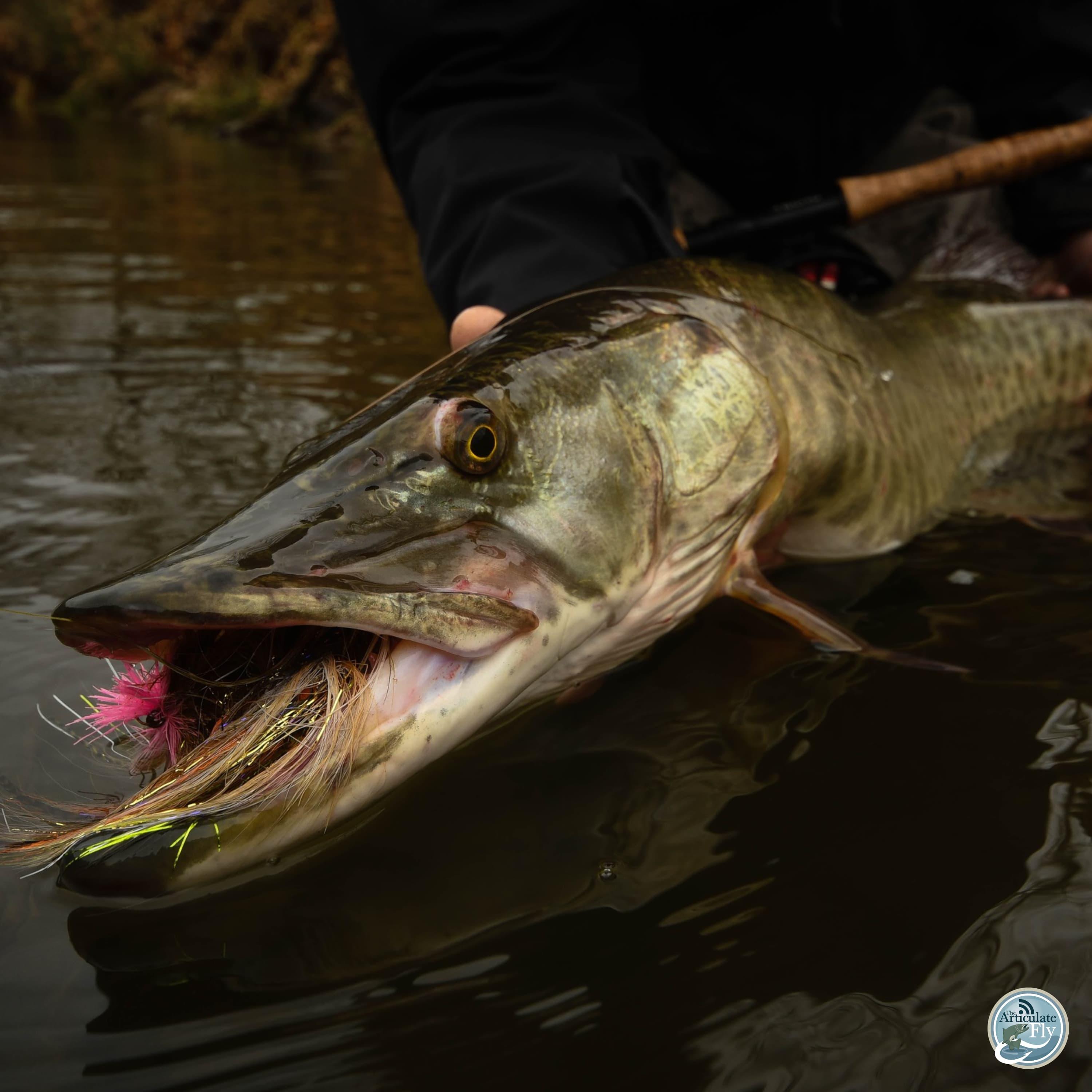
Chasing Musky in Clear Water: Matt Reilly on Retrieve Speed and Seasonal Shifts
The Articulate Fly · 13 ноября 2026 г. · 8 мин
Episode Overview In this Southwest Virginia Fishing Report from The Articulate Fly, guide Matt Reilly explains how early-season musky are behaving in low, very clear water as an abrupt cold front brings Indian summer to an end. Recorded in mid-November, the episode is a practical guide to where river musky concentrate when flows drop, why water clarity should drive your retrieve speed and how to tell when the river has truly shifted into winter. Matt notes that conditions across Southwest Virginia's rivers are normal for the season, with water temperatures still in the mid-50s and another 10-plus degrees of cooling ahead before things are solidly winter. Low flows push musky to group up in deeper water within good habitat, a version of the wolf packing that smallmouth display in late summer and early fall. He doesn't expect the incoming front to shuffle fish much, with the bigger seasonal move typically arriving later in November. The heart of the conversation is retrieve speed. Matt does slow down as water cools, but clarity drives his day-to-day adjustments: in gin-clear water he prioritizes speed and experiments with fly profiles, because it is nearly impossible to move a fly too fast for an interested musky. He also shares his favorite real-time indicator of seasonal change, the visibility of smallmouth, sunfish, minnows and carp on shallow rock piles and near the bank. The episode closes with booking guidance for the musky season, including more availability in January and February, plus spring options for musky, smallmouth and striper. Learn more at mattreillyflyfishing.com . Key Takeaways How to find early-season musky in low, clear water by focusing on deeper water within good habitat, where fish tend to group up when flows drop. Why water clarity, more than water temperature, should drive day-to-day changes in your musky retrieve speed. Why a fast retrieve is the right default in gin-clear water, since it is nearly impossible to strip a fly too fast for an interested musky to chase. How to read smallmouth, sunfish, minnows and carp on shallow rock piles and near the bank as a sign the river has not yet shifted into winter mode. When to expect the major seasonal shift in musky location, with mid-50s water temperatures still needing to fall another 10-plus degrees before conditions are solidly winter. When to book a Southwest Virginia musky trip, given that the early season is largely booked while January and February offer more availability. Techniques & Gear Covered Matt Reilly's core tactic in this report is a fast streamer retrieve for musky in low, clear water, paired with day-to-day experimentation with fly profiles and types to dial in what the fish want. He explains that while he does slow down as water gets colder, clarity drives his quickest adjustments: in dingy water, even in May, he fishes a slower, more trackable retrieve, while in gin-clear late-fall and early-winter conditions he prioritizes speed over everything else. The report also covers reading low-water habitat, where musky group up in deeper water within good holding structure, and using the visibility of non-target fish as a real-time gauge of how far the season has progressed. For more cold-water predator coverage, browse the Musky Episodes archive. Locations & Species This report covers musky fishing on the rivers of Southwest Virginia, where mid-November conditions feature low, very clear water that Matt describes as normal for the season. Water temperatures sat in the mid-50s at recording, with an incoming cold fron